
Living Beside Death
The CallerThis flow traces how characters respond to death as a future, a public claim, an illness, and finally an irreversible loss.
increasing Bearing strength in each event
 decreasing
Bearing strength in each eventdecreasingA Birthday Near Seventy
A Birthday Near Seventy
Time becomes visible
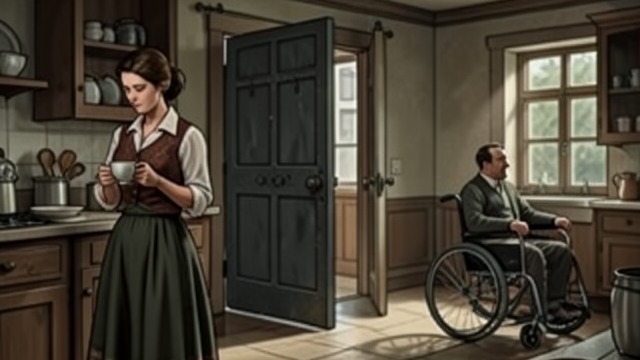
Gunilla celebrates her seventieth birthday and begins thinking about whether she will live to eighty. Her reflection makes mortality a presence in an otherwise peaceful morning.
A false death arrives
Soon afterward, a newspaper announces that she has died. The fake notice turns a private concern into a public declaration she must confront while still alive.
The incident makes death feel both ordinary and absurd: people know it will come, but no one expects to read an invented account of it at breakfast.
Helge’s Expected End
Helge’s Expected End
A known prognosis
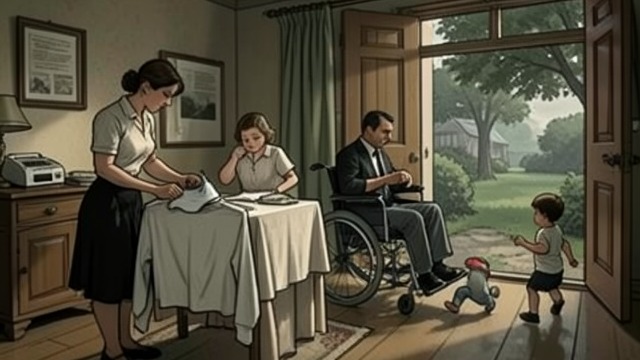
Helge’s ALS progresses quickly, and he and Astrid understand that it will eventually end his life. Yet the couple struggle to discuss burial and the practical details of his death.
Everyday life holds the fear back
Astrid irons, washes, and makes plans while Helge sits in his wheelchair. Activity allows them to avoid speaking about what they both know.
The story shows death as something that can shape a household long before it occurs. Avoidance protects the couple temporarily while leaving important feelings unspoken.
A Funeral Car Too Soon
A Funeral Car Too Soon
The future appears at the door
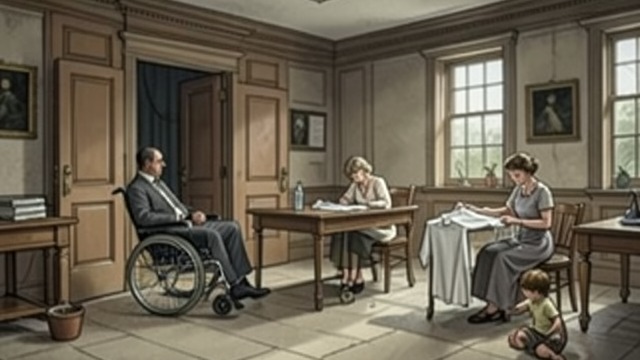
A hearse arrives to collect Helge after a false death report. Astrid tries to hide the event from him, but he wants to see what is happening.
Death becomes discussable
Helge talks with the funeral staff about the car and asks them to take him when his time comes. The mistaken visit prompts a genuine conversation about the future.
The scene is cruel because it brings a feared event into the present, but Helge turns the encounter into an opportunity to exercise agency.
Theo’s Irreversible Death
Theo’s Irreversible Death
A child’s life ends
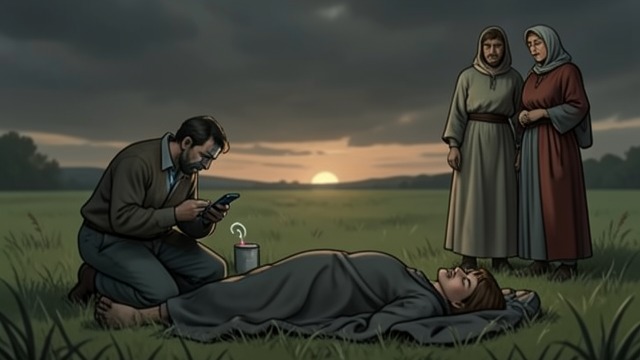
Theo is found after a fatal attack by dogs. Hannes and Wilma reach the scene still hoping that the covered body may belong to someone else.
A family hears the truth
The ringtone on Theo’s phone confirms the identity of the dead child. His parents’ grief cannot be softened by the knowledge that he had set out happily.
Unlike a fabricated obituary, this death cannot be corrected. Its finality gives all earlier fears and promises a different weight.
Johnny At The Water
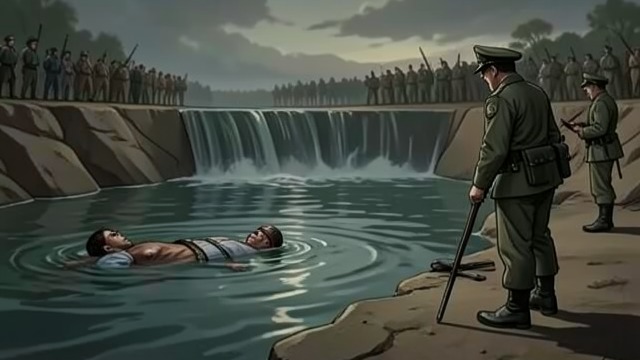
Johnny At The Water
A second unresolved death
Johnny is found floating in the dam. Sejer and Skarre consider an accident, suicide, or the possibility that someone helped him over the edge.
No explanation can be secured
Johnny’s death takes his testimony away from an investigation already burdened by uncertainty. The officers cannot know whether he made a choice, lost his balance, or encountered another person.
The ending leaves death as a boundary beyond which evidence cannot be recovered. A body confirms the event, but not the story that led to it.
Gunilla’s seventieth birthday week
before the Landmark funeral prank
the afternoon the false hearse arrives
late summer, at Skillet
October, when Johnny is found at Sparbo Dam
